
United Way NCA Lays Groundwork for COVID-19 Economic Recovery With Financial Empowerment Centers
Mar 31, 2020
The outbreak of COVID-19 has caused a wave of unemployment throughout the national capital area with all non-essential business closing down across Maryland, DC and Virginia. In its wake, many families living pay check to pay check and even households extending into the middle and upper class are finding themselves without a stable means to survive. In response, United Way of the National Capital Area has reactivated its Emergency Assistance Fund as well as maintained its network of Financial Empowerment Centers virtually to meet the increased demands of the community.
For some, unemployment benefits are a staple to their income—even as they’re working. Stagnant wages against an increasingly unaffordable cost of living in the DMV have exacerbated a vulnerable population of working people’s struggle to make ends meet. While expenses like rent, utility and loan payments have been suspended under certain circumstances, for the time being there remains the question: what happens next?
In truth, it’s hard to tell. The economic disruption and wave of layoffs in the first two weeks of the breakout have left thousands of workers in the DMV unemployed. While in some cases those jobs may be suspended for the duration of the lockdown, many could face prolonged termination. It’s estimated that nearly 20 million Americans could face unemployment in the coming months, the highest number since the Great Depression.
The recent stimulus bill passed by Congress offers hope; individuals on unemployment could claim up to $600 a month in addition to their states’ unemployment threshold for the next four months. Additionally, families that submitted tax returns in 2018 and 2019 making under $75,000 are eligible to receive a $1,200 check or direct deposit from the federal government. But some in our community are endangered of getting left behind.
For some working families making minimum wage, their income isn’t high enough to be taxable. Without a tax return, these individuals might not have any way to claim the $1,200 benefit. Others who might be facing disability or receive their income through SSI might not be eligible to receive aid either.
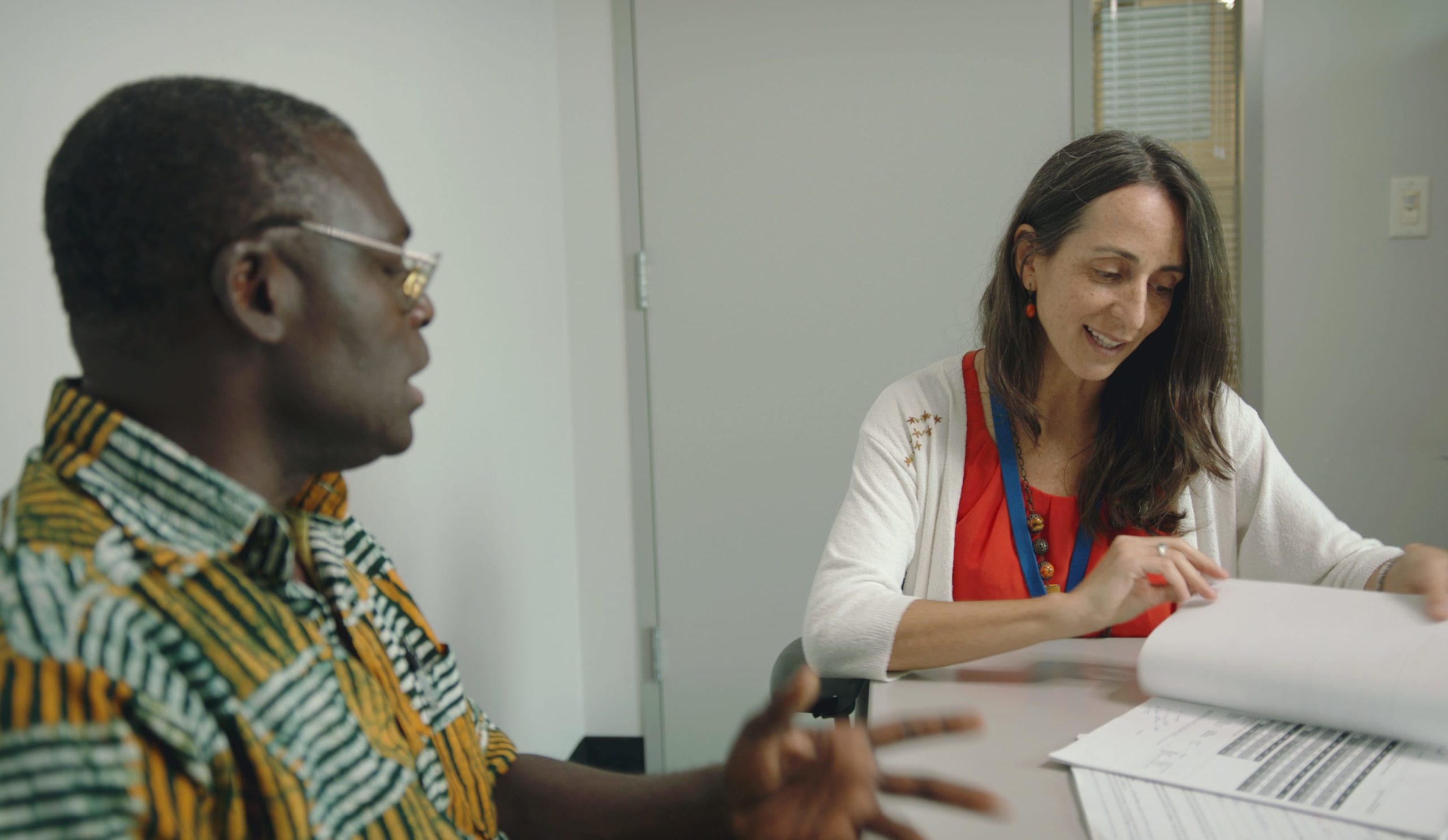
However, The United Way of the National Capital Area’s Financial Empowerment Centers have launched virtual services to accommodate the increasing need for free financial coaching, small business counseling and tax preparation during this time. Anyone in the DMV can register for free private sessions with a financial coach and get advice on budgeting, benefits, and other services to help them move forward. With changes in the law and a widening of safety net programs, vulnerable households could be eligible to receive resources to keep them from going under. The Financial Empowerment Centers are mobilized to offer guidance for everyone who calls seeking financial direction.
Proactive planning and strategic budgeting in combination with ensuring that all members of our society have equitable access to benefits and unemployment can protect our communities moving forward. United Way NCA’s Financial Empowerment Centers are a capacity builder in helping the National Capital Area recover from COVID-19. Learn what benefits and services you apply for at the Financial Empowerment Center website https://financialempowermentcenters.org