
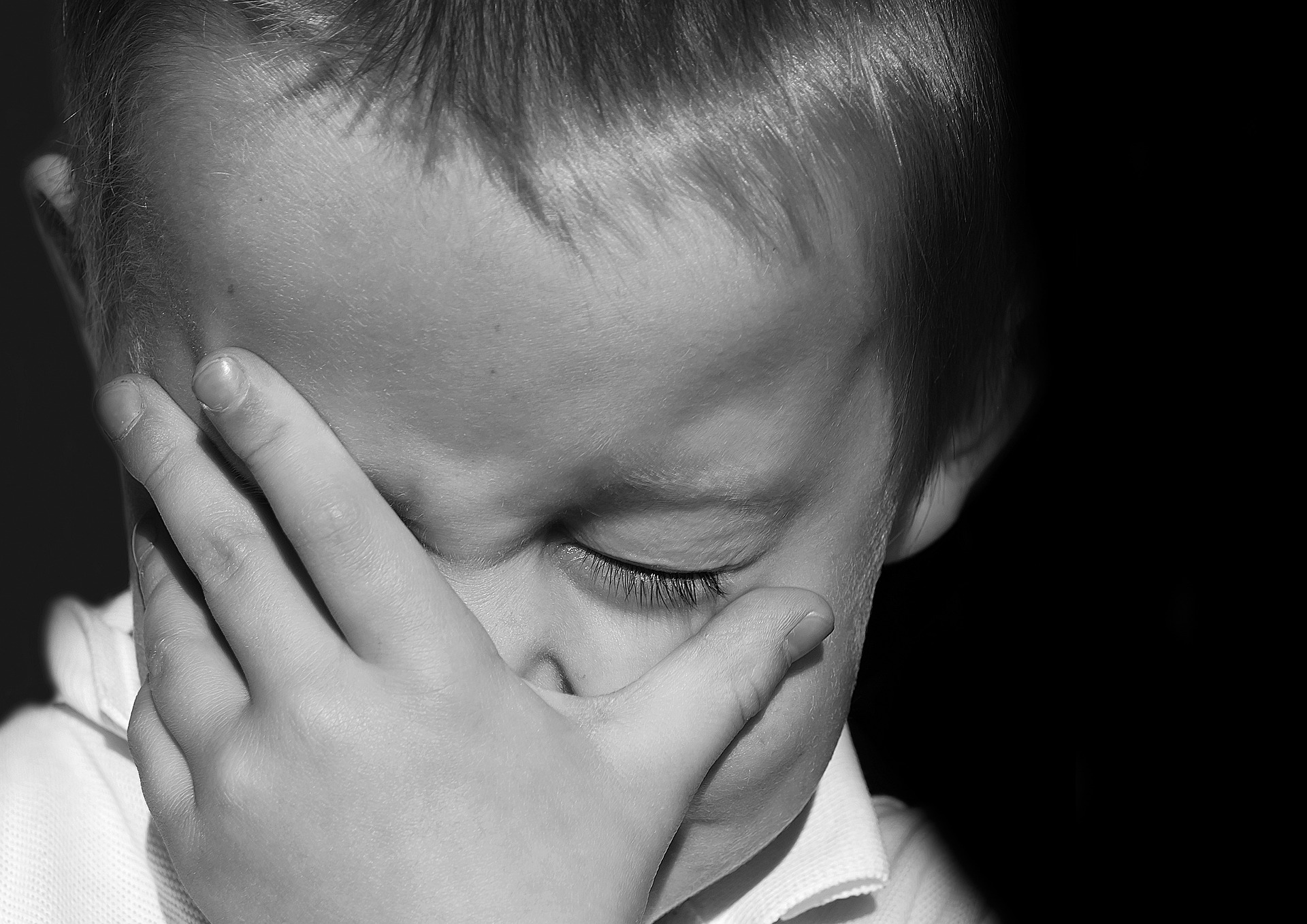
Child poverty in America remains a serious issue affecting millions of families. According to the U.S. Census Bureau, over 9 million children live below the federal poverty line, often without consistent access to basic necessities like food, housing, and healthcare.
Economic challenges such as the COVID-19 pandemic and rising inflation have contributed to an increase in child poverty rates. Understanding the causes and effects of this issue is essential to creating meaningful solutions and supporting vulnerable communities.
Child Poverty Trends and Disparities in America
Child poverty in America varies significantly across racial, ethnic, and geographic groups. In 2022, child poverty rates were highest among American Indian (25.9%), Hispanic (19.5%), and Black children (17.8%), compared to White (11.2%) and Asian children (9.9%).
There are also clear regional disparities. Children in southern states are more likely to live in poverty than those in other parts of the country. In 2022, some of the highest child poverty rates were found in:
- New Mexico – 18.2%
- Mississippi – 17.8%
- Louisiana – 16.9%
- Kentucky – 15.8%
By 2023, these numbers increased further:
- Mississippi – 26.39%
- Louisiana – 25.71%
- New Mexico – 24.55%
- Alabama – 21.51%
These increases reflect the ongoing effects of inflation, limited access to affordable childcare, and wage inequality.
Facts About Poverty In America
Child poverty starts with adult poverty in a vicious cycle.
- The official child poverty rate in 2022 was 12.4%, according to the United States Census Bureau.
- Over 9 million children are estimated to be in poverty in the United States.
- In 2022, 37.9 million people were in poverty in the United States.
- 15.3% of children under age 18 fell below the poverty line in 2021, according to the Center for American Progress.
- In 2024, the overall poverty rate in America was 10.6%, estimated to be about 35.9 million people.
- In 2024, the child poverty rate in America was 14.3% estimated to be about 10.4 million individuals, according to the Center for American Progress.
Impact of Child Poverty in America
Child poverty can have a profound and lasting impact on a person’s life. Growing up in poverty can lead to poorer health outcomes, lower educational attainment, and increased difficulty finding employment as an adult. Children who experience poverty are also more likely to experience food insecurity, poor housing, and limited access to healthcare. All of these factors can contribute to wider poverty problems that are difficult to break.
The effects of child poverty are not limited to the individual level. Poor children are also more likely to grow up to be poor adults, which can have a negative impact on the economy as a whole. In addition, child poverty can lead to increased crime rates and social problems. Therefore, it is important to address the issue of child poverty in order to improve the lives of individual children and the health of society as a whole.
Causes of Child Poverty in America
The causes of child poverty are complex, but they are directly related to adult poverty. The costs and occasional unexpected expenses associated with raising children can be one of many reasons why families become impoverished. Reasons why the child poverty rate is so high in the U.S. include job loss, pay cuts, divorce or separation, and disabilities. According to a report from the National Center for Children in Poverty, nearly half of all children in the U.S. live in low-income families, and more than one in five live in poverty.
Children who grow up in poverty are more likely to experience a range of health problems, cognitive delays, and educational difficulties. They are also more likely to become trapped in a cycle of poverty as adults. It is clear that childhood poverty has a profound and lasting impact on individuals and society as a whole. That is why it is so important to address the issue head-on. By doing so, we can give children a better chance at achieving their full potential.
While financial hardship is a major driver, poverty is rarely caused by a single factor. Instead, it stems from a combination of economic, social, and structural barriers that limit opportunity and stability for families. This is known as multidimensional poverty, where families experience overlapping challenges such as low income, lack of access to quality education, healthcare, stable housing, and childcare. Understanding multidimensional poverty helps us recognize that addressing child poverty requires more than just financial support—it demands comprehensive solutions that target the many interconnected factors keeping families in need.
Here are some of the most common causes of childhood poverty:
Lack of Social Services
Childhood poverty is a complex issue with multiple causes, but lack of social services can play a significant role. In many low-income areas, there may be limited access to healthcare, education, and other services that can support families and provide opportunities for children to succeed. Without these resources, it can be difficult for parents to provide for their children and break the cycle of poverty. Additionally, cuts to social service programs can further exacerbate the issue. It’s important for government and community leaders to prioritize funding and access to social services in order to address childhood poverty.
Lack of Education
Another cause of child poverty in America is the lack of proper education for children from impoverished backgrounds. These children grow up at a disadvantage when it comes to finding employment and upward mobility. They often do not have the skills or knowledge necessary for successful careers, leading to a cycle of poverty that is difficult to escape. Additionally, education can provide valuable resources and support for families in need, such as free meals and healthcare. Without access to these resources, poverty is more likely to persist. Investing in education for disadvantaged children can break the cycle of poverty and create opportunities for a better future.
Discrimination and Disabilities
Things like racial discrimination and disabilities can contribute to childhood poverty in multiple ways. For example, people of color often face systemic barriers in education and employment opportunities, leading to lower income levels and difficulty providing for their families. Similarly, individuals with disabilities may also face challenges in finding and maintaining steady employment, leading to financial hardship for their families. These forms of discrimination can also lead to higher rates of incarceration for individuals from marginalized communities, further exacerbating the issue of poverty within those communities. It is important to address and eradicate these forms of discrimination in order to address childhood poverty at its roots.
Impact of Child Poverty in America
The effects of child poverty in America can be significant and long-lasting, impacting a child’s physical, cognitive, and emotional development. Children growing up in poverty are more likely to experience challenges such as hunger, illness, and housing instability, all of which can contribute to developmental delays.
Poverty is also closely linked to academic underachievement, behavioral issues, and social and emotional difficulties. These challenges can limit future opportunities and make it harder for children to reach their full potential.
Providing access to essential resources such as healthcare, nutritious food, stable housing, and quality education is critical to helping break the cycle of poverty and improving outcomes for children
Hunger and Malnutrition
Hunger and malnutrition are serious consequences of child poverty. Children who live in poverty often do not have access to enough nutritious food, leading to chronic hunger and malnutrition. These issues can have long-term effects on a child’s physical and cognitive development, potentially impacting their future success and overall well-being. It is important to address child poverty in order to improve access to healthy food and reduce the devastating effects of hunger and malnutrition.
Housing Insecurity
One consequence of child poverty is housing insecurity, which can include living in overcrowded or unsafe housing, frequent moves, and even homelessness. Children who experience this kind of instability often struggle in school and face a higher risk for physical and mental health issues. In some cases, this lack of stability can even lead to involvement with the child welfare system. Learn more about what foster care is and how foster care works to support children when safe housing isn’t available. Ensuring access to stable, affordable housing is an important step in improving outcomes for children living in poverty.
Behavioral and Academic Issues
Child poverty can have a significant impact on a child’s behavior and academic performance. Research has shown that children living in poverty are more likely to exhibit disruptive behaviors, struggle with concentration and attention, and have lower academic achievement. These challenges can further perpetuate the cycle of poverty as children from low-income households are less likely to graduate from high school and pursue higher education. It is important for communities to address the root causes of poverty and provide resources and support for families in need to ensure that all children have equal opportunities for success.
How to Fight Child Poverty in Your Community
There are 1.3 million adults and children in poverty who may be going without basic necessities in the DC area, according to the 2023 ALICE Snapshot of the DMV region. The ALICE (Asset Limited, Income Constrained, Employed) population represents nearly 500,000 low- and moderate-income households in the DMV region who earn above the poverty line but below the cost of living.
In our 2022 ALICE in Focus: Children-D.C. report, we found that 54% of children in Washington, DC live below the ALICE threshold. Our programs aim to serve these vulnerable communities and connect them with vital resources like healthcare, education and workforce opportunities. Learn more about the ALICE population and how we’re working to help them today.
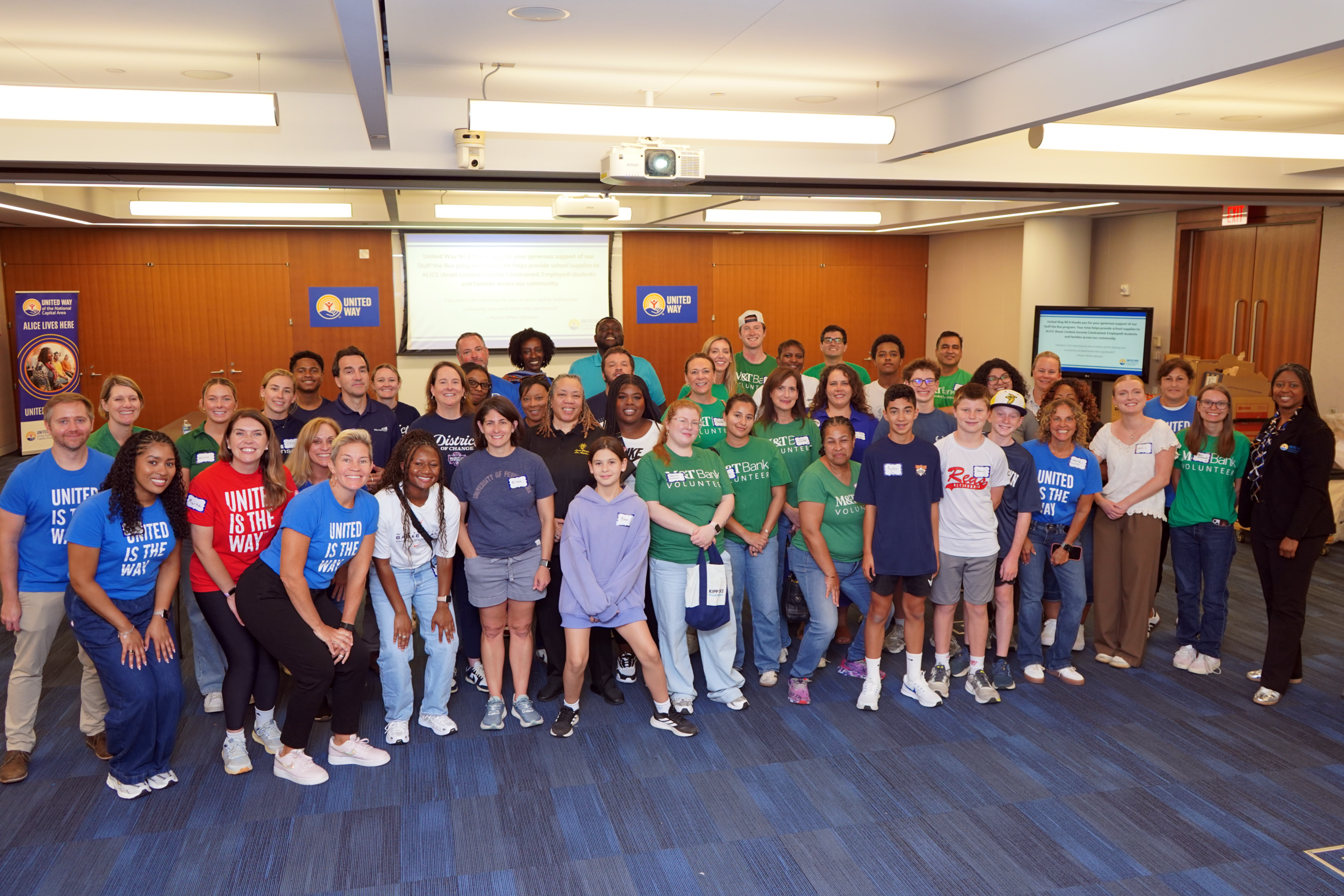
Or, get involved in the fight against child poverty in our community by participating in United Way NCA’s Volunteer Income Tax Assistance program. Through this program, trained volunteers provide free tax preparation services for low-income families, helping them access important tax credits and financial aid. Additionally, United Way NCA’s Weekend Hunger Backpack Program focuses on increasing access to healthy food options in under-served communities. By helping cover the weekend gap when children cannot depend on school cafeterias for meals, we can work towards ending childhood hunger. See how our backpack program has impacted students at A. Mario Loiederman Middle School with over 6,000 kits distributed.
To learn more, check out our work with the ALICE population, contact us today, or make a donation and do your part to end child poverty.
Updated on April 20, 2026
Child Poverty FAQs
What percentage of children live in poverty in the U.S.?
Recent data shows that millions of children in the United States live below the federal poverty line, with child poverty rates fluctuating due to economic conditions such as inflation, employment trends, and policy changes.
What are the causes of child poverty in America?
The causes of child poverty in America include economic hardship, job loss, rising cost of living, limited access to education, and systemic inequality that affects families’ ability to achieve financial stability.
How does child poverty affect children?
Child poverty can impact a child’s physical health, education, and emotional development. It is often linked to food insecurity, housing instability, and reduced academic and long-term career opportunities.
How can child poverty in America be reduced?
Reducing child poverty in America requires a combination of community support, access to education, economic opportunities, and programs that provide food, healthcare, and financial assistance to families in need.