

Economic Opportunity
Facts About Homelessness: Stats, Causes & Solutions
Jan 13, 2026
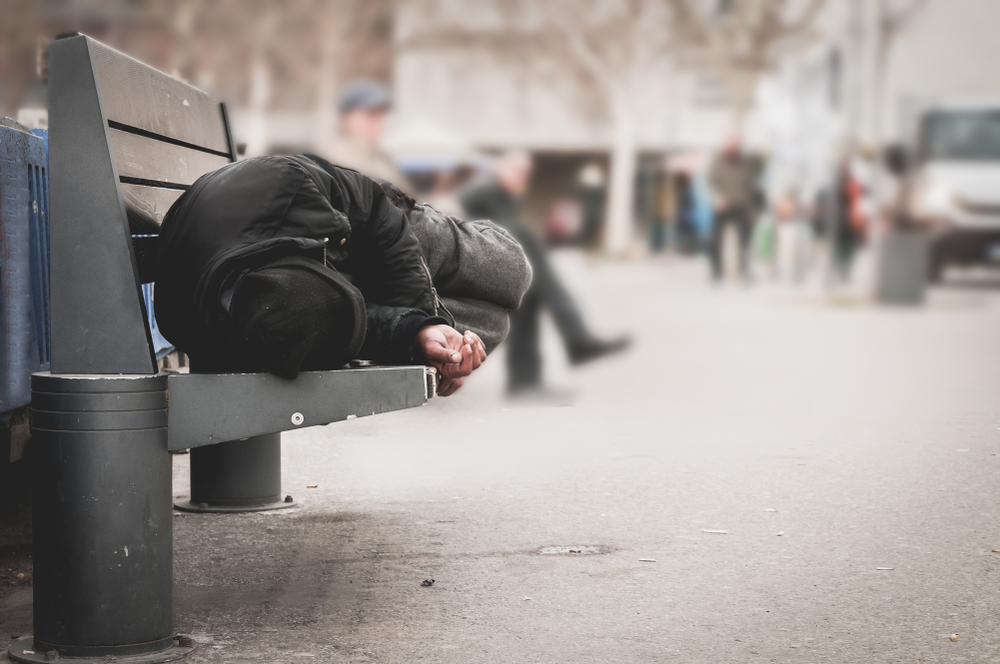
Homelessness is often discussed in headlines and statistics, but behind every data point is a person with a story. Families juggling multiple jobs and still unable to afford rising rents, older adults living on fixed incomes, youth leaving unsafe homes, and veterans searching for stability.
This article presents key facts about homelessness, distills concise information, breaks down facts about homeless individuals, and addresses common misconceptions about homelessness, while also exploring effective solutions. Our aim is twofold: to deepen understanding and to convert that understanding into meaningful action across the National Capital Area.
United Way of the National Capital Area advances healthy communities, youth opportunities, and economic stability so every person in our region can thrive. That means improving immediate access to resources while tackling root causes — such as the discrepancy between wages and housing costs — and strengthening pathways to long-term stability. Throughout this piece, you’ll find practical steps on how to get involved–including volunteering, advocating, and donating to support our community.
How to read this guide: We begin with a national view — what the latest counts reveal — then move on to root causes, myths versus facts, who’s most affected, and what solutions have proven effective. We conclude with tangible actions you can take immediately to help ensure every neighbor in the national capital area has a safe and stable place to live.
Key Takeaway
Though homelessness is a complex issue, it’s a solvable challenge. This guide shares essential facts about homelessness, clarifies damaging myths with evidence, and highlights proven solutions that move people from crisis to stability — while offering concrete ways you can help today.
The Current State of Homelessness in the U.S.
Understanding the scale of this challenge helps communities focus resources where they can have the greatest impact.
Recent Homelessness Statistics
This presents us an opportunity to give some of the latest regional data. This recent point-in-time count showed a decrease in our region. https://www.nhipdata.org/local/upload/file/2025_PIT_Report_Combined_Metro%20DC.pdf#:~:text=The%20PIT%20count%20occurred%20on,Fairfax%20County%2C%20and%20Loudoun%20County
On a single‑night count thousands of Americans are identified as experiencing homelessness in shelters, transitional housing, safe havens, and unsheltered locations. In 2023, the national point‑in‑time count identified approximately 653,000 people experiencing homelessness. In 2024, the count rose significantly to more than 770,000 people, reaching the highest level recorded since national data collection began. While methodologies evolve and the count is a snapshot, the story is consistent: more people are being pushed into housing instability by rising costs and a limited supply of affordable homes.
Sheltered vs. unsheltered: Individuals who are counted as sheltered are staying in emergency shelters, safe havens, or transitional housing. Those who are counted as unsheltered are staying in places not meant for human habitation — such as streets, cars, or encampments. The proportion of people in each category varies by region and local capacity. In some areas, outreach and the addition of shelter beds result in more people being indoors during winter months, while in others, a mismatch between demand and available beds keeps unsheltered rates high.
A note on reading these numbers — PIT counts are conservative snapshots, capturing a single night and potentially missing individuals who are doubled up or couch-surfing. Still, they are our best nationwide snapshot taken consistently year over year, and they provide a helpful baseline for tracking trends, disparities, and progress.
Stat Callout — The national count showed an 18% year‑over‑year increase between 2023 and 2024 — a jump driven by housing affordability pressures and the expiration of pandemic‑era supports. Veteran homelessness, however, declined over the same period due to targeted, proven strategies.
Regional variation: Some communities experienced substantial increases as families arrived from other regions or countries seeking safety and opportunity. In contrast, others saw stabilization as new shelter capacity opened or as rental markets cooled slightly. Weather and local policy also affect counts — winter outreach strategies, hotel/shelter expansions, and improvements in coordinated entry can all shift who is identified on the night of the count.
Families and children: Families with children represent a significant share of people experiencing homelessness. Rising rents, a lack of affordable childcare, and sudden income shocks (such as missed work due to illness) are common precipitating factors. The recent spike among children underscores how thin many family budgets are — and how prevention, flexible financial aid, and rapid connections to housing can avert long periods of instability.
Older adults: A growing share of people experiencing homelessness are age 55+. Fixed incomes, increased health care needs, and rising rents combine to push older adults into housing insecurity for the first time. Age-friendly services — such as accessible units and home-based care — support long-term stability.
Chronic and long‑term homelessness: Chronic homelessness refers to individuals with disabling conditions who experience long spells of homelessness or repeated episodes over time. This group often requires permanent supportive housing — long-term rental assistance paired with comprehensive wrap-around services. When scaled, this approach reduces shelter stays and emergency room visits, while increasing housing retention.
Youth and young adults: Youth homelessness is frequently undercounted because many young people avoid shelters, couch‑surf, or remain mobile to stay safe. Tailored responses — such as host-home programs, youth-specific rapid rehousing, and school-based supports — are critical to long-term success.
Trends in the Homeless Population
Several overlapping dynamics help explain recent trends:
- Housing costs outpacing incomes: Even as rent growth cooled in some markets, the cumulative increase of the past few years continues to strain budgets. A record number of renter households are cost‑burdened — spending more than 30% of their income on housing — with the lowest‑income families being hit hardest.
- Shrinking supply of low‑cost units: The country has lost millions of lower‑cost rentals over the last decade due to demolition, conversion and overall market pressures, squeezing households into precarious situations.
- Post‑pandemic policy shifts: Temporary policies — such as expanded rental assistance and eviction protections — helped many households avoid displacement. As these programs expired, more families and individuals found themselves unable to keep up.
- Disasters and displacement: Natural disasters and other crises can rapidly expand local homelessness, especially when communities already lack affordable homes.
- Targeted progress in key subpopulations: Focused strategies have produced measurable results — most notably, sustained reductions in veteran homelessness through permanent housing plus supportive services.
Together, these trends underscore a central reality: homelessness is principally a housing problem. When stable, affordable homes are available — paired with the right level of support — people exit homelessness and remain housed.
Root Causes of Homelessness
Homelessness is often framed as a series of individual choices or isolated crises. This stigma ignores the reality that homelessness is a reflection of structural conditions.
Affordable Housing & Rent Burdens
Affordable housing means a household can afford its home without sacrificing other essentials, such as food, transportation, childcare, or healthcare. For many households today, that balance is impossible. Across the country, half of renter households are cost‑burdened, and among the lowest‑income renters, the majority are severely cost‑burdened — spending more than half of their income on rent. This imbalance leaves little cushion for unexpected expenses or income shocks, which can quickly lead to eviction and homelessness.
What’s driving the squeeze?
- Supply and cost: The nation faces a multi‑million‑home shortage of affordable and available rentals for extremely low‑income households. In practical terms, that means far more families need affordable homes than exist, forcing many to pay more than they can safely afford, double up, or live in substandard conditions.
- Wage‑rent mismatch: Modest wage growth hasn’t kept pace with housing costs, particularly in high‑opportunity regions. Households may be working full‑time or multiple jobs — and still not earn enough to cover rent, utilities, and basic monthly expenses.
- Debt and fees: Security deposits, application fees, utility set‑ups, and accumulated debt or blemishes on a credit report can create barriers to signing a lease, even when a unit appears affordable on paper.
- Eviction risk: Even small arrears can lead to evictions, resulting in court records that make renting again difficult. Eviction diversion and right‑to‑counsel programs reduce harmful, avoidable displacement.
If you or someone you know is in crisis now, explore Emergency Housing Near Me for guidance on immediate steps to take.
Employment Gaps and Wage Inequality
A job is protective — but not a guarantee against homelessness when wages fall behind basic costs. Temporary layoffs, reduced hours, caregiving disruptions, health crises, or a lack of transportation can quickly interrupt income. For people re‑entering the workforce after a period of instability, barriers to employment — like the need for documentation, child care, reliable internet, or a second chance after incarceration — can slow progress. Meanwhile, the rise of variable, gig-based schedules and the absence of paid leave can make income volatile, making rent unaffordable.
United Way NCA’s Financial Empowerment Centers support residents with free financial coaching, credit building, banking access, tax preparation, and referrals to community resources — practical tools that help households build resilience and avoid the spiral from housing insecurity into homelessness.
Misconceptions About Homelessness
Stigma and misinformation can be just as harmful as a lack of resources, as they shape public policy and community responses. Below , we address common myths about homelessness with accessible, human‑centered facts.
Debunking Common Homeless People Myths
Myth 1: “People are homeless because they’re lazy.”
Fact: Most people experiencing homelessness are navigating structural barriers such as insufficient affordable housing, stagnant wages, high medical or child‑care costs, and limited safety nets. Though many are actively seeking work or are already employed, low‑wages are not covering the cost of living. Employment interruptions — like losing hours or a job — can destabilize housing for families already living paycheck to paycheck. Workforce development, childcare assistance, and transportation support are crucial for stability.
Myth 2: “Homeless people are dangerous.”
Fact: People experiencing homelessness are much more likely to be victims of violent crime than housed people are. Living outside increases exposure to violence, theft, and harassment. A trauma-informed, safety-first approach protects both individuals and communities. Neighborhoods are safer when people have stable homes and access to services.
Myth 3: “Shelters solve homelessness.”
Fact: Homelessness ends with housing. Shelters provide critical, temporary safety. The most effective approaches enable people to transition rapidly from crisis to permanent housing, then surround them with voluntary services to stabilize their health, income, and community connections. Expanding permanent housing and prevention — not only beds — shortens the time people remain unhoused.
Myth 4: “People choose to be homeless.”
Fact: The overwhelming majority (about 9 in 10) would choose safe, stable, affordable housing if it were available. Barriers — such as cost, documentation, prior evictions, limited unit supply, and accessibility needs for people with disabilities — are far more influential than preference. Respectful engagement and low‑barrier services help people transition indoors. When communities make housing accessible, most accept it.
Myth 5: “Addiction or mental illness makes homelessness unsolvable.”
Fact: Substance use and mental health conditions can complicate housing, but they are treatable — and treatment is more effective when a person is housed. Stable housing provides the foundation for recovery, employment, and long‑term health. Integrated care and peer‑support models help people sustain housing and wellness.
Lived Experiences of Homeless Individuals
The day‑to‑day realities of homelessness are often invisible:
- Sleep and hygiene: Without a safe place to rest, sleep is fragmented. Access to restrooms, showers, laundry facilities, and clean clothing is limited, negatively impacting health and job readiness.
- Documentation and identity: IDs, Social Security cards, and vital records can be lost or stolen during moves or encampment clearings, which can slow access to essential services, employment, and healthcare.
- Transportation and time: Without reliable transportation, keeping appointments for housing, benefits, or work becomes a full‑time challenge.
- Health and safety: Exposure to weather, violence, and chronic stress escalates health risks. Being outside while managing a disability, a chronic illness, or caregiving for children compounds risk.
- Disconnection and stigma: Constant moves and public scrutiny can erode social connections and mental health. Rebuilding trust takes time; consistent outreach, peer support, and reliable services make a difference.
Respectful, trauma‑informed practices — founded on dignity, choice, and consistency — help people rebuild stability.
Who Homelessness Affects the Most
Homelessness touches every demographic, but systems and economics do not impact all groups equally.
Racial, Ethnic, and Gender Disparities
African Americans are overrepresented among people experiencing homelessness relative to their share of the U.S. population — a reflection of historic and ongoing inequities in wealth, housing, employment and the justice system. Hispanic/Latina/e/o people have also seen rising rates, influenced by cost burdens and barriers to benefits. People who identify as Native Hawaiian or Pacific Islander face some of the highest rates of homelessness per capita in the nation, influenced by high housing costs in certain regions, historical displacement and limited affordable inventory.
Gender and family status are key factors, too. The number of families with children experiencing homelessness has increased in recent years, and a growing share of older adults are entering homelessness for the first time due to fixed incomes and rising rents. Women — especially single mothers — face unique risks related to caregiving responsibilities, wage gaps and exposure to domestic violence.
Rural and suburban realities:
Homelessness is not exclusive to urban areas. In rural and suburban areas, people experiencing homelessness may be more dispersed, living in vehicles, in sheds and outbuildings, or doubling up with friends and family. Limited shelter options can make services harder to access, and long distances without public transit compound challenges.
Vulnerable Groups: Youth, Veterans, LGBTQ+
- Youth and young adults: Many youth experiencing homelessness are not visible in street counts because they couch‑surf or move frequently among friends’ homes. Family conflict, aging out of foster care, identity‑based rejection, and economic hardship all contribute to instability. Tailored approaches — such as drop-in centers, host-home programs, youth-focused rapid rehousing, and education and employment supports — improve outcomes.
- Veterans: Veteran homelessness has declined over the long term thanks to a focused strategy: permanent housing assistance paired with case management and clinical support. This success demonstrates that scalable, evidence-based investments can make a significant impact and should be extended to other populations.
- LGBTQ+ individuals — especially youth: LGBTQ+ youth are disproportionately likely to experience homelessness due to family rejection, discrimination, and safety concerns. Inclusive services, gender-affirming policies, and non-discrimination protections are crucial for ensuring equitable access to housing and care. Youth‑specific programs that center autonomy and safety are essential.
Effective Solutions to Homelessness
The most effective responses are practical and evidence‑based: they recognize housing as the foundation for health, work, education, and community life.
Housing First Model
Housing First offers immediate access to permanent housing without preconditions like sobriety or employment, followed by voluntary supportive services. It is not “housing only”; it’s a human‑centered approach that prioritizes stability so people can address health, employment and recovery goals. Communities that scale Housing First — through rapid rehousing and permanent supportive housing — see higher housing retention rates, fewer returns to homelessness, lower use of emergency systems and better overall outcomes.
Why it works:
- Stability first: When housing is secured, people have the mental and physical space to pursue work, health care and reconnect with supportive networks.
- Voluntary services: People are more likely to engage with services they help choose.
- Cost‑effective: Reductions in shelter stays, emergency room visits and justice system involvement offset program costs.
- Scalable: Communities can expand rapid rehousing for short‑ to medium‑term assistance and permanent supportive housing for those with the highest needs.
Continuum of Care Systems
Every region operates a Continuum of Care (CoC) — a network of organizations that coordinate outreach, shelter, transitional housing, and permanent housing placements. Using coordinated entry, CoCs connect people quickly to the most appropriate help, prioritize those with the highest needs, and manage limited resources efficiently. The goal is straightforward: shorten the time people spend experiencing homelessness and increase exits to permanent housing.
What coordinated entry looks like in practice: A person can access help through multiple doors — such as outreach teams, shelters, hotlines, or partner agencies — and receive a common assessment. Based on vulnerability and household type, the system matches them with the intervention most likely needed to end their homelessness quickly, whether that’s diversion and one-time financial assistance, rapid rehousing, or permanent supportive housing.
Role of Local and Community-Based Solutions
Ending homelessness requires community‑level collaboration across housing, healthy communities , youth opportunities and financial stability . United Way NCA supports this work on the ground by:
- Expanding financial stability: Our Financial Empowerment Centers offer no‑cost financial coaching, credit building, banking access and tax preparation — tools that help households build resilience, qualify for leases and keep more of what they earn.
- Serving ALICE households: Households that are Asset Limited, Income Constrained, and Employed (ALICE) often earn above the federal poverty level but still can’t meet basic costs, especially housing. Through Project Community Connect and partner events, we bring vital resources — IDs, benefits screenings, financial education, job readiness services and more — directly to community members.
- Connecting neighbors to immediate help: When a family experiences a sudden housing crisis, knowing where to start is half the battle. United Way NCA helps residents navigate to appropriate resources — including information lines such as 2‑1‑1 and local eviction prevention, rental assistance and legal aid partners.
- Mobilizing volunteers: We engage corporate, campus, faith and community groups in high‑impact volunteer initiatives — from kit building to mentorship — that support residents on the path to stability.
- Advocating for systems change: We work alongside partners to advance policies that build and preserve affordable homes, protect fair housing, expand vouchers and fund proven solutions like rapid rehousing and permanent supportive housing.
Want to help implement real solutions? Volunteer with United Way NCA at Take Action or donate to support housing initiatives.
What You Can Do to Help
You don’t need to be a policy expert to make a difference. Start with one action and build from there:
- Volunteer locally. Contribute your time and talents through United Way NCA events, mentorship, kit‑building, or financial coaching support. Explore opportunities at Take Action.
- Donate to advance United Way NCA’s mission. Recurring gifts provide steady support to keep people housed and expand services. If you are able, consider a gift today at Donate.
- Advocate for housing solutions. Support policies that increase affordable housing production, expand housing vouchers, fund eviction prevention, and protect fair housing and tenant rights. Your voice helps ensure programs that work are scaled, not cut.
- Be an informed neighbor. Learn your community’s process for outreach and housing placements. When you see unsheltered neighbors, approach with respect, offer water or supplies when appropriate, and connect them to resources rather than attempting individual interventions that may unintentionally cause harm.
- Engage your workplace or faith community. Host supply drives that respond to agency‑requested needs, encourage employer matching for donations, and invite experts to speak about local strategies and progress.
- Support pathways to income. Volunteer with financial education efforts, mentorship and workforce programs; advocate for affordable child care, transportation access and fair‑chance hiring.
- Spread accurate information. Share this guide and other educational resources to correct myths and elevate facts about homelessness on social media and in conversations.
- Participate in local planning. Attend public meetings about housing and zoning; support initiatives that add deeply affordable homes and preserve existing affordable housing.
- Champion accessibility. Encourage the use of universal design and accessible units in new developments, and support programs that retrofit existing homes for neighbors with disabilities.
- Measure impact. When you give, look for organizations that track housing outcomes — such as placements, retention, and reduced returns to homelessness — and use data to drive improvement.
Frequently Asked Questions (FAQ)
What are the main causes of homelessness?
Homelessness is driven by housing affordability, accessibility and availability. When rents outpace wages and the supply of low‑cost units shrinks, more households face impossible choices. Health crises, job interruptions, family conflict, discrimination, and natural disasters can all trigger a loss of housing. Households with little savings or access to credit are proxy to this risk as well. Structural factors — historic disinvestment, wealth gaps, a lack of affordable childcare and transportation — compound the risk. With affordable and accessible housing partnered with the right level of support, homelessness can be resolved.
What are important facts about people experiencing homelessness ?
Many people experiencing homelessness are working or actively seeking employment. Families with children and older adults are part of the picture, not outliers. People without homes are at high risk of victimization and poorer health outcomes. Pairing housing with voluntary services leads to better stability, safety, and health. Homelessness is not a moral failing; it is a predictable outcome when housing costs exceed incomes and safety nets are thin.
How many people are experiencing homelessness in the U.S.?
In 2023 the PIT count identified roughly 653,000 people, and the 2024 count showed more than 770,000 — a significant increase reflecting ongoing affordability challenges and the sunset of temporary supports introduced during the pandemic. While these figures are estimates, they are the most consistent nationwide measure available. They also help communities target resources, monitor disparities, and evaluate whether strategies like Housing First and prevention are being scaled effectively.
What’s the best way to help people experiencing homelessness?
Start with respect and listening. If someone asks for specific items — such as water, socks, or hygiene kits — or bus fare to reach an appointment, responding to the request is both kind and practical. For sustainable impact, support organizations that provide housing and services, volunteer your time, and advocate for policies that create and preserve affordable housing. Encourage your networks to do the same. If you or someone you know needs immediate help in the DMV, see Emergency Housing Near Me for guidance.
Conclusion
The facts about homelessness tell a clear story: this crisis is rooted in a shortage of affordable homes and the widening gap between costs and incomes. Communities that invest in proven strategies — such as Housing First, coordinated regional systems, and services that honor dignity and choice — see real, measurable progress. When we match evidence with empathy, we create the conditions for families to put down roots, for youth to learn and grow, and for older adults to live with security.
United Way NCA is committed to advancing health, education, and economic opportunity across the National Capital Area by connecting neighbors to immediate help and expanding the pathways that keep people housed. Together, we can transform understanding into impact.
Join us in the fight to end homelessness. Visit Take Action to volunteer and Donate to support housing initiatives that work.