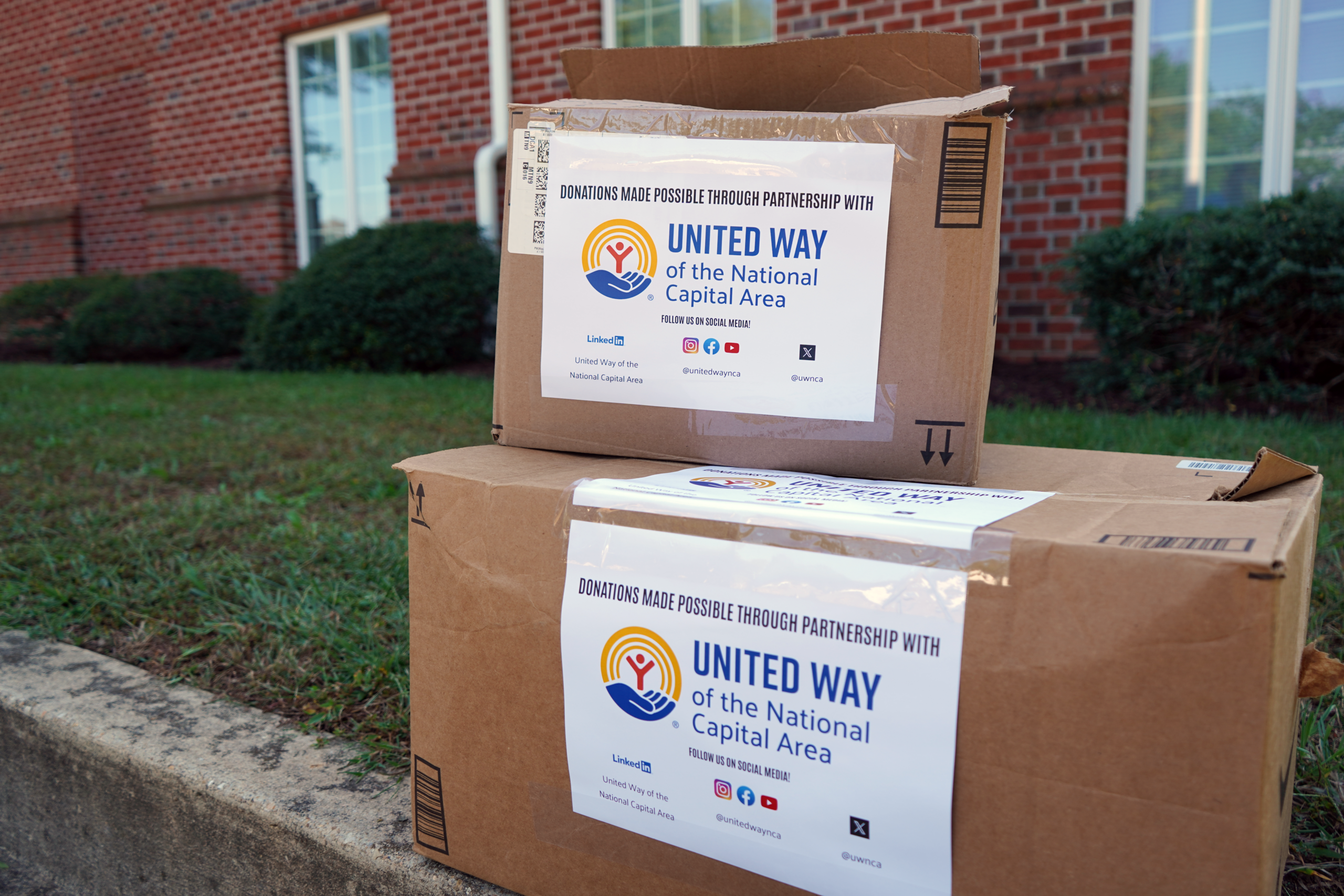


Despite the world producing enough food to sustain every human, food insecurity remains a troubling reality for millions. In the United States alone, more than 34 million people, including 9 million children, face food insecurity annually. Defined as a lack of reliable access to nutritious food, food insecurity affects people and communities around the world. It goes beyond hunger and impacts health, education, and economic stability.
This article explores key food insecurity facts, the causes behind the issue, and practical food insecurity solutions. Understanding these challenges can help communities create lasting change. Food insecurity facts help highlight the depth of this issue and underscore the need for immediate and long-term action.
What is Food Insecurity?
Food insecurity is more than hunger. The United States Department of Agriculture (USDA) defines food insecurity as limited or uncertain access to enough food for a healthy life. People experiencing food insecurity often must choose between buying food and paying for housing, healthcare, or other essential expenses. This persistent uncertainty takes a toll on individuals and families alike.
Food insecurity affects entire communities. For children, it can impact growth, learning, and academic performance. Adults facing food insecurity are more likely to develop chronic illnesses like diabetes and hypertension.
Defining Food Insecurity
Unlike hunger, which is an immediate physical condition, food insecurity captures the broader economic and social barriers that restrict access to nutritious food. It isn’t just about whether food is available; it’s about whether people can afford or access the right kinds of food to lead healthy, active lives.
Certain groups are more vulnerable to food insecurity than others:
- Low-income families: Rising costs of living force difficult trade-offs between food, rent, and utilities.
- Children: Many depend on school meal programs, leaving them especially vulnerable during weekends or school breaks.
- Seniors: Fixed incomes and mobility challenges often limit food access.
- Marginalized communities: Systemic inequities amplify food insecurity in communities of color.
- College students: Many students face food insecurity due to high tuition, housing costs, and limited access to assistance programs.
Food Insecurity vs. Hunger
Hunger is the physical feeling caused by a lack of food, while food insecurity refers to the broader barriers that limit access to nutritious meals. Hunger is one effect of food insecurity, but solving hunger alone does not address the underlying causes.
The Global Scale of Food Insecurity
Food insecurity isn’t confined to any one country; it’s a global challenge affecting billions. The World Health Organization (WHO) estimates that in 2023, 2.4 billion people experienced moderate to severe food insecurity, and 864 million of them endured severe conditions that included going without food for days.
World Hunger Statistics
The following statistics highlight the urgent need for action:
- Nearly one-third of the global population experienced food insecurity in 2023.
- Chronic hunger affected approximately 735 million people worldwide, reflecting a persistent inability to secure adequate food.
- In 2022, 148 million children under five suffered from stunting due to prolonged malnutrition, impacting their growth and cognitive development.
- Severe acute malnutrition threatened 14 million children globally, requiring immediate intervention to save lives.
Causes of Global Food Insecurity
The drivers of food insecurity vary but are often interconnected. Major causes include:
- Climate change: Rising temperatures, unpredictable weather patterns, and extreme events disrupt agriculture, the backbone of food security for billions.
- Economic inequality: Poverty limits the ability to afford nutritious food, particularly in low-income households and underdeveloped regions.
- Global supply chain disruptions: Conflicts, pandemics, and rising energy costs hinder the production and distribution of food, escalating costs for consumers.
Food Insecurity in the United States
Despite its wealth, the United States faces significant food insecurity challenges. Over 34 million people—including 9 million children—live with uncertainty about where their next meal will come from. The problem is particularly severe among vulnerable populations.
Hunger in America
Food insecurity disproportionately affects children, who often experience developmental delays and poor academic outcomes. For many, the school cafeteria provides their most consistent source of nutritious food. College students also face increasing food insecurity. Rising tuition and housing costs, coupled with limited eligibility for food assistance programs, leave many struggling to meet basic needs. Examining food insecurity facts among college students sheds light on the unique barriers this group faces.
Systemic issues further exacerbate food insecurity in marginalized communities. Communities of color, in particular, face higher rates of food insecurity and child poverty due to long-standing economic disparities and limited access to resources.
Food Banks’ Role in Combating Hunger
Food banks are pivotal in addressing food insecurity across the country. By redistributing surplus food from farms, grocery stores, and community donations, these organizations ensure that edible food reaches those in need rather than going to waste. Mobile food pantries and targeted outreach programs bring essential resources to underserved communities, bridging gaps in access.
Food Insecurity and College Students
Food insecurity in college students has become a growing concern, with nearly 30% of students nationwide experiencing it. Contributing factors include:
- High tuition and living expenses: Students often face impossible choices between paying for food or rent.
- Limited food assistance options: Programs like SNAP have eligibility requirements that exclude many college students.
- Balancing work and academics: Juggling part-time jobs and full-time coursework leaves little time or resources to secure nutritious meals.
Addressing food insecurity facts within higher education can guide policymakers and institutions in developing better support systems for students.
Food Insecurity in Our Region
Food insecurity is not only a national issue. It shows up in neighborhoods across Washington DC, Northern Virginia, and Maryland, including Southern Maryland.
In our region, over 700,000 households (32.5%) are ALICE: Asset Limited, Income Constrained, Employed. These are our neighbors who earn more than the federal poverty level, but not enough to cover the basics. When rent, childcare, transportation, and healthcare take up most of a paycheck, groceries can become the part of the budget that gets squeezed.
Children who live in ALICE households often feel this most when school is out. Many students rely on free and reduced-price meals during the school week, and those meals are not available during winter and summer breaks.
Causes of Food Insecurity
Food insecurity goes beyond the physical sensation of hunger. The United States Department of Agriculture (USDA) defines it as a household-level condition marked by uncertain or limited access to adequate food. People facing food insecurity grapple with challenges like choosing between paying for groceries and meeting other basic needs, such as housing or medical care. This persistent uncertainty takes a toll on individuals and families alike.
Food insecurity also has significant societal consequences. For children, it impairs cognitive development, growth, and academic performance. Adults experiencing food insecurity are at higher risk for chronic illnesses, including diabetes and hypertension, creating a feedback loop that perpetuates poverty and poor health outcomes.
Poverty and Unemployment
Poverty remains one of the primary food insecurity causes. Families living paycheck to paycheck must often decide between groceries and other necessities like rent or medical bills. Unemployment and underemployment further exacerbate the issue, leaving millions without the means to afford nutritious food.
Rising Food Prices
Rising food prices affect low-income families the most because they already spend a large share of their income on groceries. Even small increases in food costs can force families to choose between buying food and paying for rent, healthcare, or utilities.
The higher costs of fresh, nutritious foods frequently push families toward cheaper, less healthy alternatives, which can increase the risk of malnutrition and chronic health conditions. This economic strain also exacerbates inequality, making it even harder for vulnerable populations to access quality food and essential resources.
United Way NCA’s ALICE Lives Here initiative works to alleviate these disparities and tackle the root causes of food insecurity. The program supports residents living paycheck-to-paycheck through financial education, tax assistance, and emergency housing resources. These services help families access basic needs and build long-term stability.
Systemic Inequalities
Communities of color often face higher rates of food insecurity because of economic and social barriers.
- Income Inequality: Black and Hispanic households often earn less income, making healthy food harder to afford.
- Residential Segregation: Some communities have limited access to grocery stores and fresh food because of past housing policies.
- Employment Disparities: Limited access to stable jobs can increase financial hardship and food insecurity.
Solutions to Food Insecurity
Addressing food insecurity requires both short-term support and long-term solutions. Efforts range from global programs that reduce poverty and improve food systems to local initiatives that support underserved communities.
Community-Based Hunger Relief Programs
Local programs play a crucial role in combating food insecurity. For example, United Way’s Weekend Hunger Backpack Program provides nutritious, easy-to-prepare meals for children who rely on school meals during the week. Community kitchens, senior meal deliveries, and local food pantries also meet specific needs in underserved areas. These initiatives not only address immediate hunger but also foster a sense of community and support for those in need.
Innovations in Food Distribution
Innovative food distribution methods are playing a key role in combating food insecurity:
- Food-sharing apps: Platforms such as OLIO connect individuals and businesses, enabling the sharing of surplus food. This reduces food waste while providing a valuable resource to those in need.
- Food recovery programs: Programs like Feeding America’s MealConnect collect extra food from restaurants and farms and deliver it to food banks and shelters.
- Storage technology: Solar-powered cold storage helps keep food fresh longer. This makes it easier to deliver fresh produce and other perishable foods to rural and underserved communities.
Advocacy and Policy Changes
Food pantries and assistance programs provide short-term relief, but long-term solutions require policy change and advocacy. Addressing barriers to food access can help create a more equitable and sustainable food system.
Expanding funding and eligibility for programs like SNAP and WIC can help more families access food assistance. Policies that raise wages can also reduce poverty and improve long-term financial stability.

Conclusion
Food insecurity is a pervasive issue that affects millions in the United States and worldwide. From understanding the systemic causes of food insecurity to exploring innovative solutions, addressing this crisis requires collective effort and sustained action. The importance of food insecurity facts cannot be understated, as they provide the foundation for impactful change.
United Way NCA is committed to fighting food insecurity through community programs and systemic advocacy. From free financial empowerment services to local food pantries, we can make meaningful progress toward equitable food access for all.
Take action with United Way NCA and discover how you can contribute to combating food insecurity in your community. Together, we can create a future where everyone has consistent access to nutritious food.
FAQs About Food Insecurity
What are food insecurity facts?
Food insecurity refers to the inability to consistently access nutritious food necessary for maintaining a healthy life. In the United States, 34 million people, including 9 million children, are affected by this issue each year. The problem is not limited to the U.S.; globally, over 820 million people experience chronic hunger. These staggering figures highlight the widespread nature of food insecurity, which can have profound consequences on physical health, education, and economic stability.
Economic barriers and inequality increase food insecurity in many communities. Rural populations and low-income families often have less access to affordable, nutritious food. Understanding these food insecurity facts can help support long-term solutions and improve access to food for everyone.
What are the causes of food insecurity?
The root causes of food insecurity are deeply intertwined with systemic and economic factors. Poverty remains a primary driver, as families with limited financial resources struggle to afford healthy food. Additionally, rising food prices, driven by inflation and disruptions in supply chains, make basic necessities increasingly out of reach for many.
Systemic inequalities, including racial disparities and insufficient resources in underserved areas, exacerbate these challenges. On a global scale, climate change and ongoing conflicts disrupt agricultural production and food distribution, worsening the situation for vulnerable populations. Together, these factors create a complex web of barriers that perpetuate food insecurity across different regions and communities.
What is food insecurity in college students?
Food insecurity affects nearly 30% of college students nationwide. Rising tuition costs, expensive housing, and limited access to affordable food make it difficult for many students to afford nutritious meals. Low-income and underrepresented students often face the greatest challenges and may have to choose between paying for basic needs and buying groceries. Food insecurity can also affect physical health, academic performance, and mental well-being.
Support programs can help reduce food insecurity among college students. Expanding access to food assistance programs and providing on-campus food pantries can help students access reliable, nutritious meals. Understanding these food insecurity facts can help colleges and policymakers create stronger support systems for students.