


Economic Opportunity
Understanding Chronic Homelessness in America
Oct 20, 2026
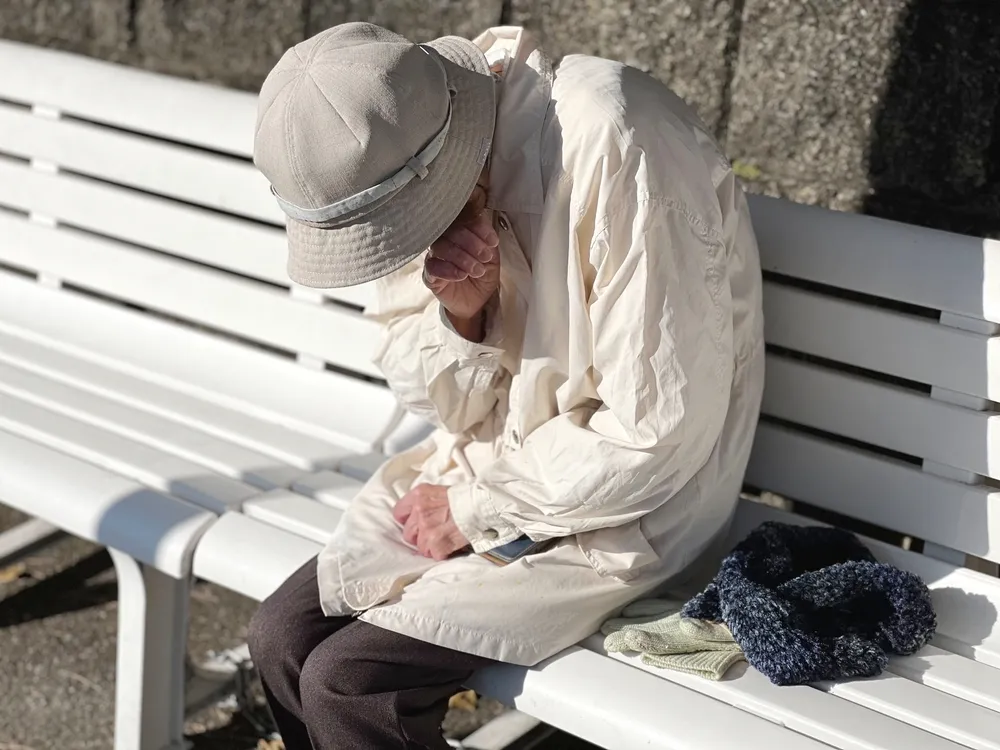
Homelessness remains one of the most pressing social challenges in the United States. While some individuals experience temporary housing instability, others face long-term homelessness that can last for years. Many of these individuals live in shelters or, cars, all places not meant for habitation, which can take a serious toll on their physical and mental health.
In the 2024 Point-in-Time Count, 152,585 Americans were identified as experiencing chronic homelessness, revealing the ongoing severity of this crisis. The issue is driven by overlapping factors such as rising housing costs, limited access to healthcare, and persistent economic inequities. Addressing chronic homelessness requires urgent action, compassion, and a commitment to systemic change.
What is chronic homelessness?
Chronic homelessness refers to a prolonged or recurring state of homelessness experienced by individuals who also live with a disabling condition such as a serious mental illness, substance use disorder, or physical disability.
According to the U.S. Department of Housing and Urban Development (HUD), a person is considered chronically homeless if they have been unhoused for at least 12 consecutive months or have experienced four or more episodes of homelessness within a three-year period while living with a disabling condition.
This distinguishes chronic homelessness from general homelessness, which may be temporary or caused by short-term financial hardship. Chronic homelessness often stems from deeper structural barriers and limited access to supportive resources.
While the 2020 Point-in-Time Count identified over 110,000 people experiencing chronic homelessness, experts believe the real number is higher because many individuals remain uncounted or live in conditions that are difficult to track.
Why does chronic homelessness persist?
Chronic homelessness results from a combination of systemic and individual factors. These issues intersect to create barriers that make housing stability difficult to achieve and sustain.
High Rent and Low Income
In many American cities, the cost of rent continues to rise faster than wages. The National Low Income Housing Coalition reports that a full-time worker must earn over $28 per hour to afford a modest two-bedroom apartment at fair market rent. With limited income and increasing housing costs, many people are unable to maintain stable housing, which leads to greater rates of chronic homelessness across the state.
Systemic Racism and Marginalized Communities
Systemic racism has created deep inequities in housing and economic opportunity. Historical discrimination in lending, employment, and public policy has made it more difficult for Black, Indigenous, and People of Color (BIPOC) populations to access stable housing. Black Americans make up nearly 40 percent of the homeless population, even though they represent about 13 percent of the U.S. population. These disparities show how racial inequality continues to shape who is most affected by homelessness.
Lack of Affordable Housing
A shortage of affordable housing is one of the biggest drivers of chronic homelessness. Across the country, there is a deficit of more than 7 million affordable rental homes for extremely low-income renters. Without affordable housing or supportive housing programs, individuals with limited income or disabilities are often left without a safe place to live. Expanding and preserving affordable housing is critical to reducing chronic homelessness.
What are the impacts of chronic homelessness?
The effects of chronic homelessness are devastating, both for individuals and for society as a whole.
People experiencing chronic homelessness often face severe health challenges, including untreated mental illness, chronic physical conditions, and substance use disorders. According to research from New York City’s public health department, those experiencing homelessness are up to 11.5 times more likely to die than the general population.
Other impacts include:
- Worsening physical and mental health over time
- Greater vulnerability to violence and exploitation
- Limited access to food, hygiene, and basic necessities
- Heavy reliance on emergency services and healthcare systems
- Significant economic costs to communities due to repeated use of public resources
Individuals who experience chronic homelessness make up a smaller portion of the overall homeless population but often depend most heavily on social and medical services. Without stable housing, it becomes nearly impossible to recover, find work, or rebuild stability.
Can we solve chronic homelessness?
Ending chronic homelessness is possible through evidence-based solutions that combine housing, healthcare, and community collaboration.
Income Support and Public Benefits
Expanding income opportunities and strengthening public benefits such as Supplemental Security Income (SSI), Social Security Disability Insurance (SSDI), and housing vouchers can help bridge the gap between wages and rent. Workforce development and job training programs also empower individuals to gain stable employment and long-term independence.
The Role of Healthcare in Prevention
Access to healthcare plays a key role in preventing and reducing homelessness. Many people who experience chronic homelessness live with untreated health conditions. Integrating medical, behavioral, and supportive housing services helps individuals maintain stability and reduces hospitalizations.
Housing First Approach
The Housing First model focuses on providing permanent housing as the first step toward stability. This approach does not require people to meet conditions such as employment or sobriety before receiving housing. Once individuals have a safe place to live, they can begin addressing other needs such as healthcare, employment, and recovery.
Supportive housing that offers case management, financial guidance, and life skills training helps people build independence and maintain long-term housing success.
Community Collaboration and Partnerships
No single organization can solve chronic homelessness alone. Success depends on collaboration among local governments, nonprofits, healthcare providers, and community organizations. Data-driven approaches, such as maintaining by-name lists that track individuals’ housing and health needs, help communities coordinate resources and provide timely assistance. Partnerships create a unified response that ensures no one is left behind.
Addressing chronic homelessness with compassion and action
Chronic homelessness is a complex issue, but it can be solved through compassion, understanding, and coordinated action. By learning what chronic homelessness is and addressing the factors that cause it, communities can create lasting change.
At United Way NCA, we work to end chronic homelessness by connecting individuals with housing, healthcare, and essential support services. Our programs focus on building pathways out of poverty and ensuring that every person has access to a safe and stable home.
To learn more about how United Way NCA is addressing homelessness, visit our blog, which explores how recent events have led to greater rates of chronic homelessness across the state. Together, we can create a future where everyone has the opportunity to thrive.